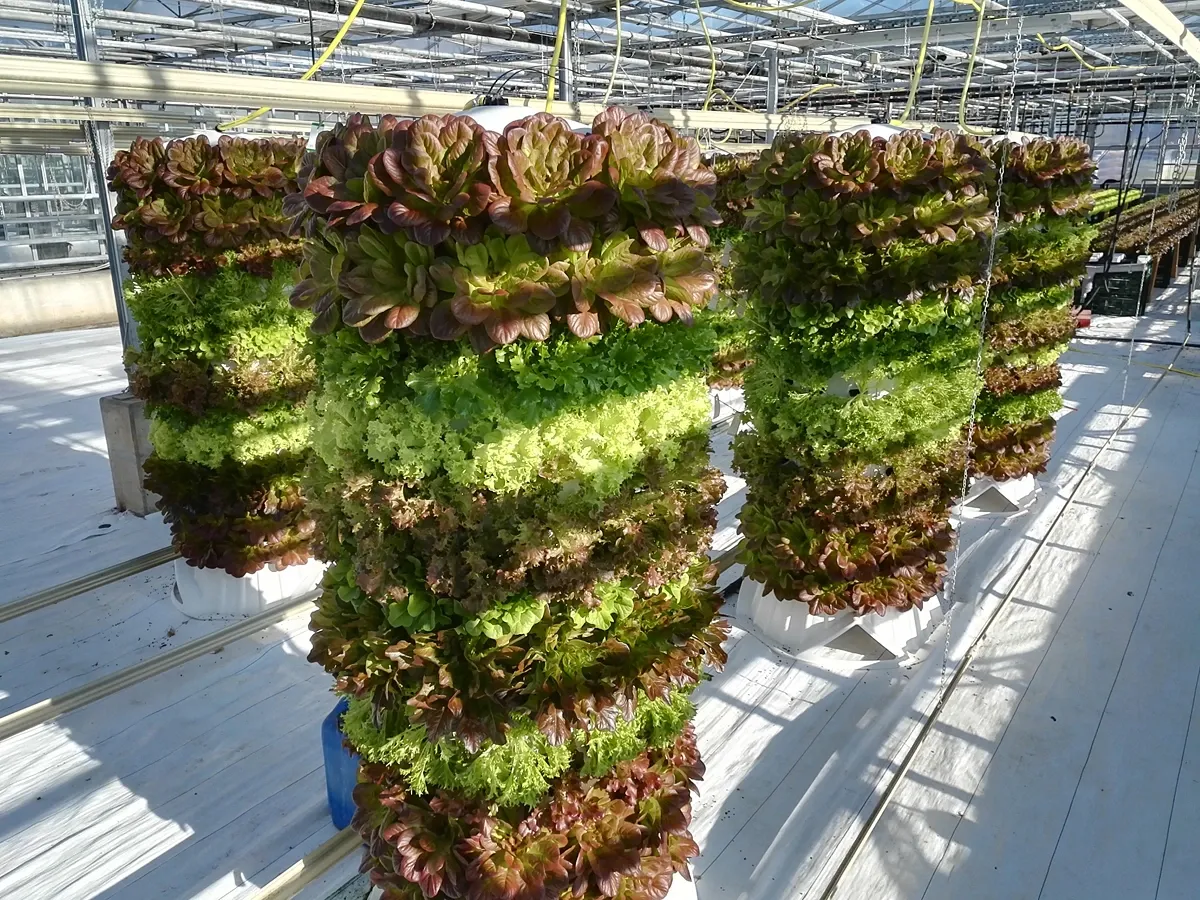
Growing and harvesting plants on water and air alone, with minimal effort. If these terms are unfamiliar, you have certainly heard of the Hanging Gardens of Babylon, or the floating gardens of the Aztecs. Even Marco Polo, travelling in China, observed floating plantations — something that astonished him, because nothing like it existed in Europe.
Hydroponics is a form of horticulture in which plants, usually crops or medicinal herbs, are grown without soil, using water-based mineral nutrient solutions. Land or aquatic plants can grow with their roots exposed to the nutrient liquid, or the roots can be supported mechanically by an inert medium such as gravel or another substrate.
Three times less water
Compared with traditional cultivation, producing 1 kg of tomatoes takes 200 litres of water; using the hydroponic method it takes 70 litres. Far less water is used for the same end result.
Hydroponics is also very easy to practise at home — some experts even recommend it, because you can follow the plants’ progress while energy and water consumption stay minimal. The market for hydroponic products (growing towers, boxes, storage units, and even the seeds) keeps expanding, and was estimated to reach 17 billion dollars in 2025.
What you gain
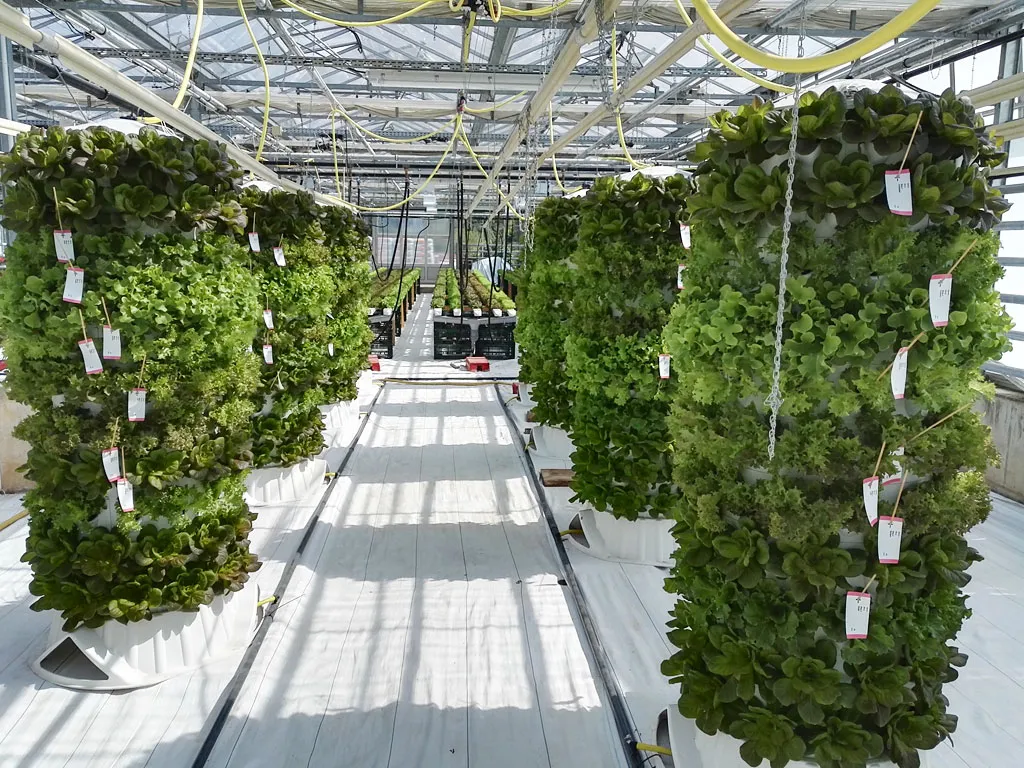
More food can be produced in a smaller space, the time between sowing and harvest is shorter, and no chemicals are needed to manage the plants apart from the minerals in the water. Grown indoors, the plants are also unaffected by climate shifts, rain, temperature or wind.
Vegetables and fruit that can be grown this way include tomatoes, broccoli, strawberries, watermelons, basil, coriander and many others. Hydroponic systems can also be scaled to the needs of an individual or a family. A single household needs less space than traditional agriculture would demand. You can combine crops and study which ones do best.
Energy — the variable everything depends on
Hydroponic systems require technology such as water pumps and lighting, although the requirements are lower for indoor systems. Anyone planning to use hydroponics at home should estimate the energy costs the system would incur. That makes it possible to work out the running cost, both financially and environmentally.
This matters because one of the main attractions of hydroponics is precisely its environmental benefit. Systems should therefore be planned to keep energy use to a minimum while maximising yield. Depending on how many plants are grown, energy requirements can also be substantial.
The best option is to build a home hydroponic system powered by a renewable energy source, which helps make the whole process more sustainable. It is worth starting small, to get a better understanding of how this method of growing plants actually works.